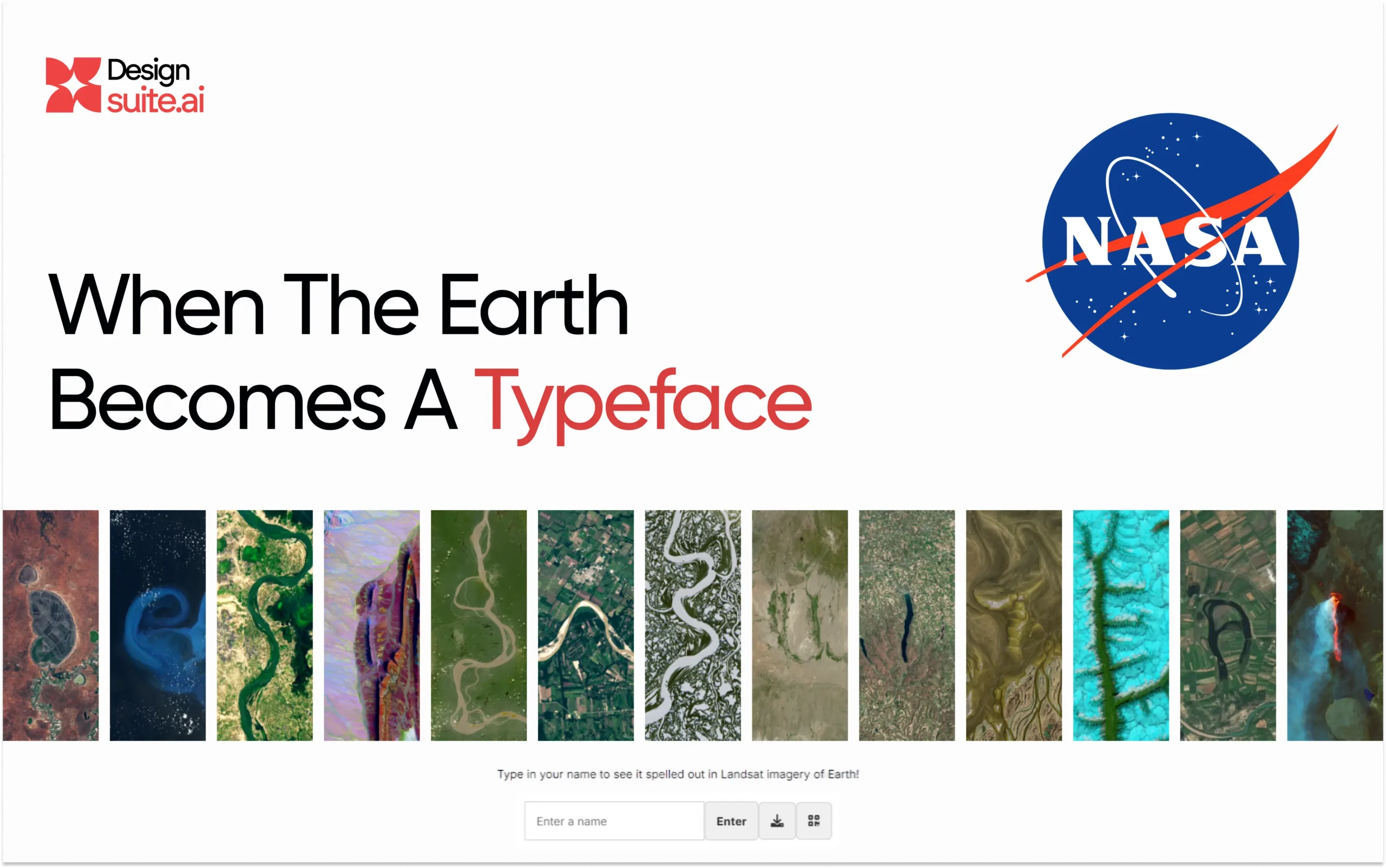
There are moments when technology stops feeling like infrastructure… and starts feeling like poetry. NASA just gave the world one of those moments. With “Your Name in Landsat“, an interactive experience by NASA, your name is no longer typed; it’s discovered. Not generated, but found. Not designed in software, but revealed from the surface of our planet itself.
This is not typography. This is Earth, behaving like a font.
The Idea: A Planet That Writes Back
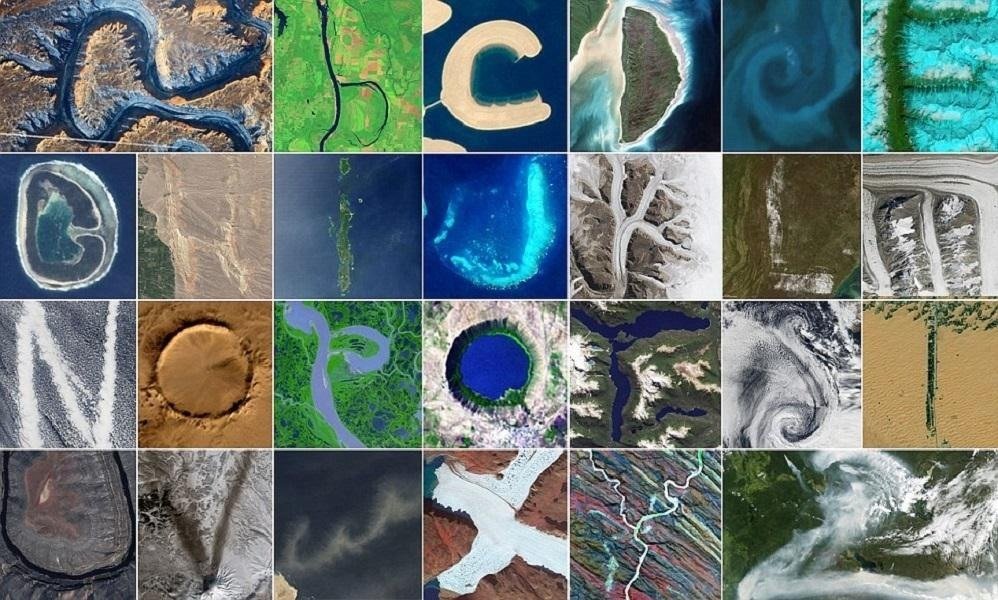
At its core, the experience is deceptively simple: you type your name, and it appears spelled out using real satellite imagery. Each letter is sourced from natural formations: rivers bending into curves, coastlines forming serifs, deserts carving diagonals.
These are not illustrations. They are fragments of reality, captured over decades of Landsat satellite imagery.
Behind this simplicity lies something profound:
- A dataset spanning generations
- A system that identifies patterns in nature
- A design decision that turns data into emotion
NASA didn’t just build a tool. They reframed how humans relate to planetary data.
Why This Matters (From a Design Perspective)
Most interfaces today optimize for efficiency. This one optimizes for wonder. From a global UI/UX standpoint, this project quietly demonstrates three powerful principles:
1. Data as emotion
Satellite imagery is typically analytical, used for climate monitoring, agriculture, and urban planning. Here, the same data becomes personal. Your name becomes a gateway into planetary exploration.
2. Discovery over creation
Traditional design tools are created from scratch. This experience discovers what already exists. It flips the role of the designer, from creator to curator.
3. Nature as a design system
What if the most scalable design system isn’t built in tools, but already exists in the natural world? NASA essentially turned Earth into a generative type library.
Timing, Culture, and Virality
Launched around Earth Day, the project is more than a novelty; it’s strategic storytelling. It taps into three forces simultaneously:
- Personal identity — your name
- Global awareness — our planet
- Shareability — social-first output designed to travel
That’s why it spread. Because it sits at the rare intersection of science × design × self-expression.
A Quiet Masterclass in Experience Design
This is not just a “fun tool.” It’s a case study in what great onboarding and narrative-driven UX actually looks like in practice:
- Effortless onboarding — type, get instant output. Zero friction.
- Zero learning curve — no instructions needed.
- Built-in virality — download, share, explore.
- Narrative-driven UX — every interaction pulls you deeper into curiosity.
Where is this letter from? What does this landscape look like? What else is hidden on Earth? That’s not UI. That’s storytelling.
50 Years of Landsat Data, Now Made Personal
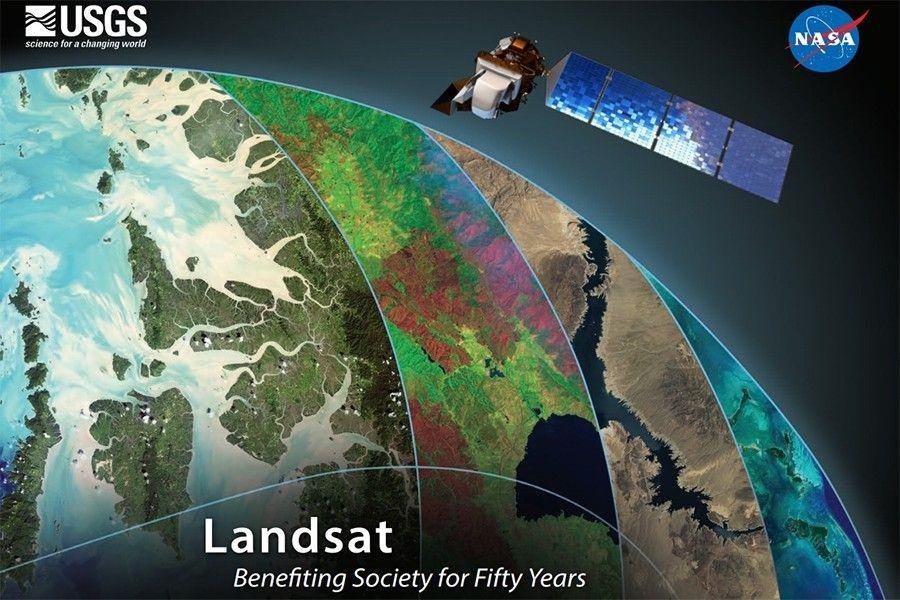
The Landsat Program has been documenting Earth for over 50 years, building one of the most valuable datasets in human history. To the teams behind this, the Landsat scientists, engineers, data teams, and communicators, this is exceptional work.
And now, decades later, that dataset becomes not just useful. But meaningful. That transition, from utility to emotional resonance, is where great design lives.
Final Thought
Most studios try to make the design feel more human. NASA did the opposite.
They made the planet feel more personal. And in doing so, they reminded all of us: the best interfaces don’t just connect users to systems. They connect people to something bigger than themselves.