Most teams treat usability testing tools as an afterthought. Something you bolt on right before a launch to “validate” a decision you’ve already made. However, we don’t work that way at Designsuite.ai, and this week we want to walk you through one of the reasons:
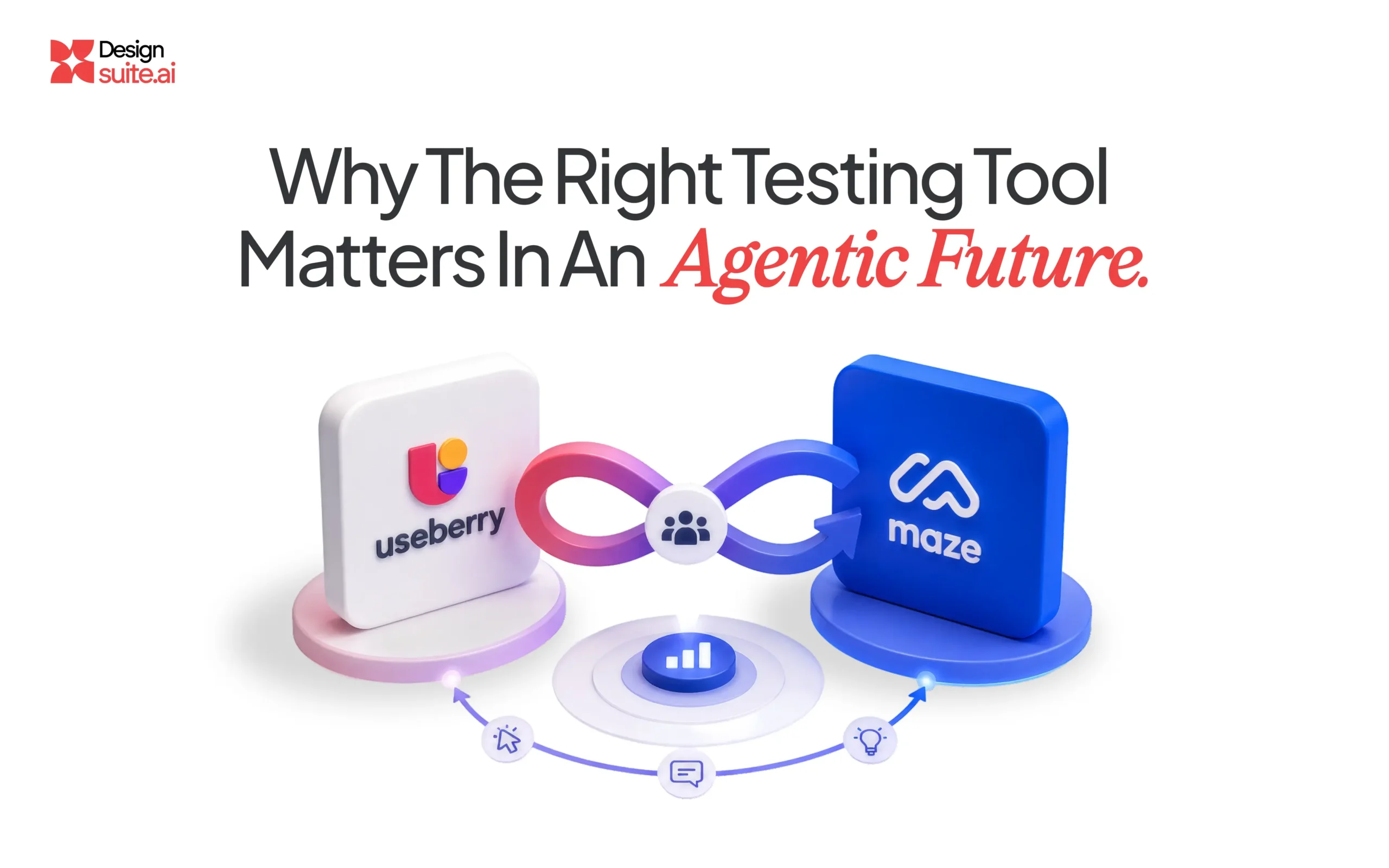
how we chose Maze over Useberry as our default testing platform, and why the entire industry is quietly shifting toward “agentic” workflows.
Maze vs Useberry: Why We Standardized On Maze
Both tools perform the basics well: unmoderated prototype testing, click tracking, card sorting, and session recordings. On paper, they can look interchangeable. In practice, however, the differences show up exactly where it matters for the kind of fast moving B2B and AI product teams we work with.
1. Built for speed and iteration, not just research rigor
Useberry leans heavily into being a full research suite, great if you’re running formal studies with large, precisely targeted participant panels.
Conversely, Maze is built around a tighter loop: design in Figma, push straight into a test, get quantitative results back fast.
For teams shipping weekly, which is how we run every Designsuite.ai engagement, that loop speed is the difference between testing an idea and just talking about testing it.
2. Deeper, more reliable Figma integration
Prototype fidelity is everything in usability testing. If hover states, transitions, or nested flows don’t translate, your test results are testing the tool, not your product. Importantly, Maze’s Figma integration consistently handles complex, multi screen prototypes with fewer breakages, which matters a lot once you’re testing real enterprise dashboards instead of five screen landing pages.
3. Better AI assisted analysis
Maze has invested heavily in turning raw session data such as heatmaps, path analysis, and open text responses into automated summaries and themes. As a result, our design team spends less time manually tagging recordings and more time acting on findings. That’s a direct time to insight advantage.
4. It scales with us
Useberry is a strong tool, and plenty of teams genuinely prefer it, particularly ones who want an all in one research suite with a large managed participant panel. Yet as an agency running concurrent product engagements across multiple clients, Maze’s plan structure and cross project workflow fit how we actually operate day to day.
To be clear: this isn’t “Useberry is bad.” It’s a great platform for certain research heavy teams. We simply optimized for velocity, Figma fidelity, and AI assisted analysis, and Maze won on those three for us.
Why “Agentic” Is The Shift You Can’t Ignore Right Now

You’ve heard the word everywhere this year: agentic AI, agentic workflows, agentic design. Here’s why it’s not just a buzzword for us.
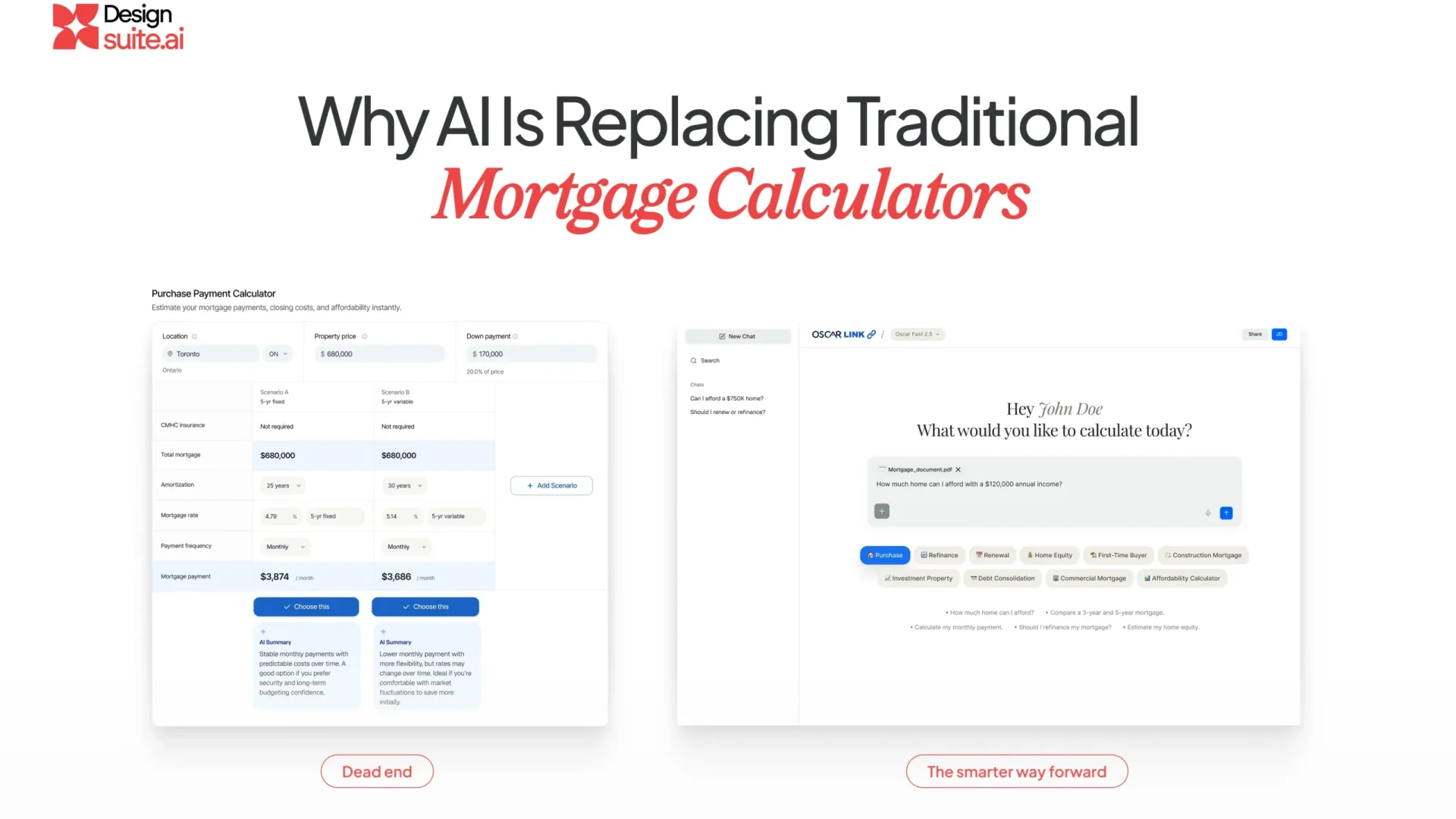
For the last few years, AI in product design meant AI as a copilot. It suggested a layout, generated a variant, or wrote some copy. However, a human still triggered every step.
Agentic means the AI takes the step itself. Specifically, an agent can run a usability test, read the results, flag the drop off point in the flow, propose a fix, and in some workflows even implement that fix, with a human reviewing outcomes rather than executing every individual task.
Why This Matters For Your Business Right Now:
- Cycle time collapses. What used to be a week long loop of test → analyze → redesign → retest can compress into days when an agent is handling the analysis and first draft fixes.
- Insight stops getting lost. Additionally, agentic systems can continuously monitor conversion and interaction data instead of waiting for a quarterly UX audit, catching regressions the week they happen, not the quarter after.
- Design and growth stop being separate conversations. When agents connect testing data directly to design iteration, “how it looks” and “how it performs” become the same workstream instead of two teams handing files back and forth.
This is exactly why we’ve been building agentic workflows into how we run engagements at Designsuite.ai, connecting testing tools like Maze, analytics, and design iteration into a single, faster loop instead of a chain of manual handoffs.
The Bigger Point
Designsuite.ai doesn’t just make things look good. We treat every layout, flow, and interaction as something to be measured: conversion rate, drop off, task success, time to value, because a beautiful screen that doesn’t convert is an expensive screen.
That’s the real cost problem most companies don’t talk about: bad UX doesn’t just lose users, it quietly inflates your marketing spend. You end up paying more to acquire users who bounce off a confusing flow you could have fixed for a fraction of that ad budget.
That’s the gap we close.
Want us to look at where your product is leaking conversions? Jump on a free call with us. No pitch, just a straight look at where your product is costing you money.